
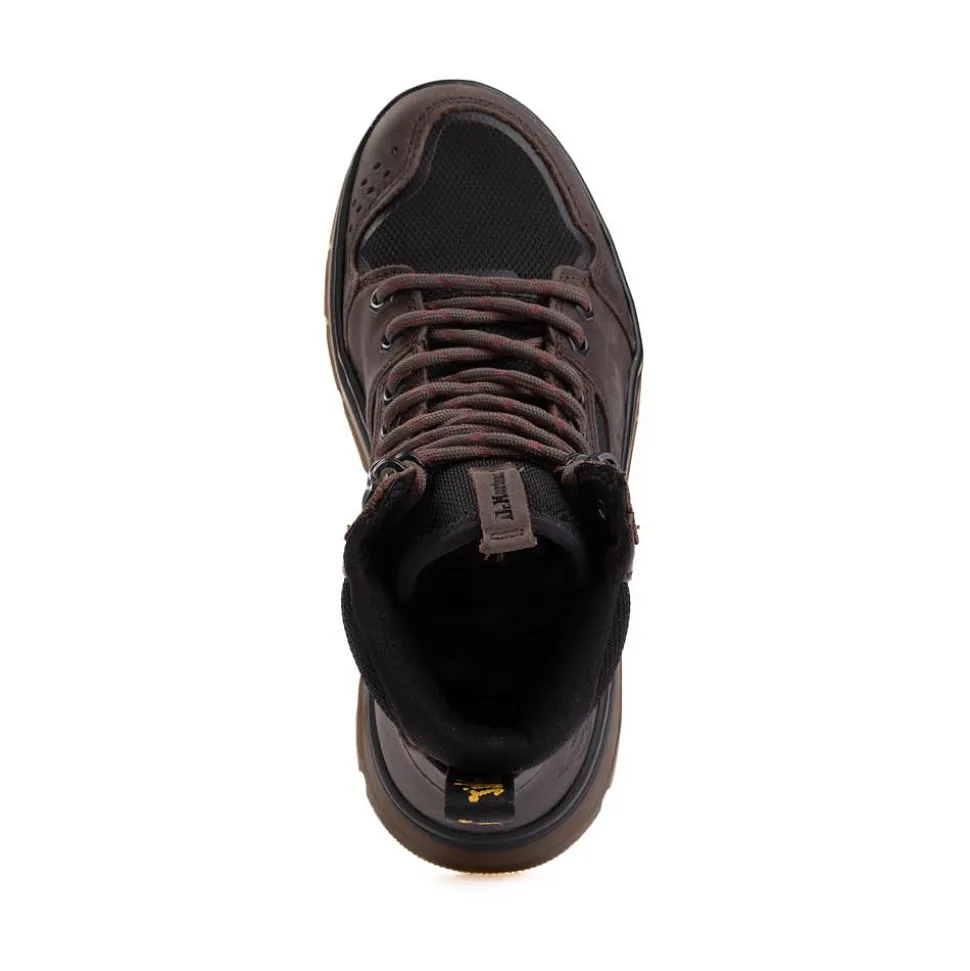
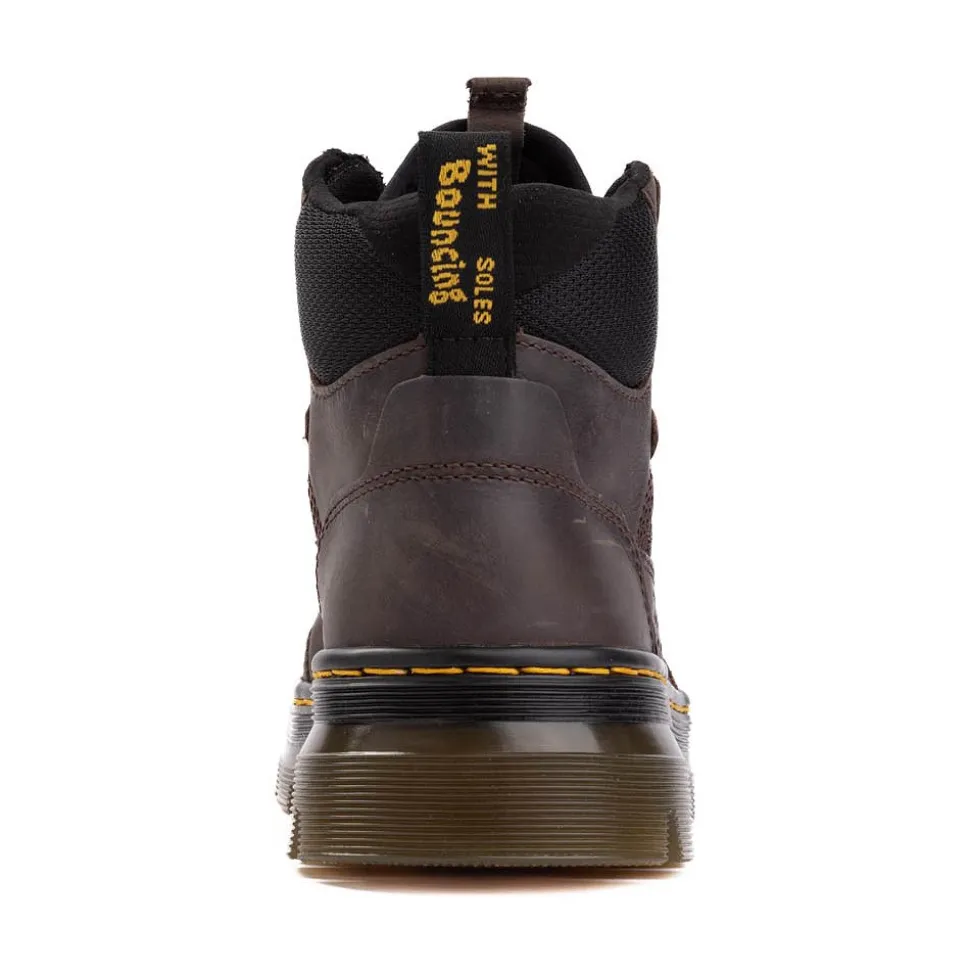
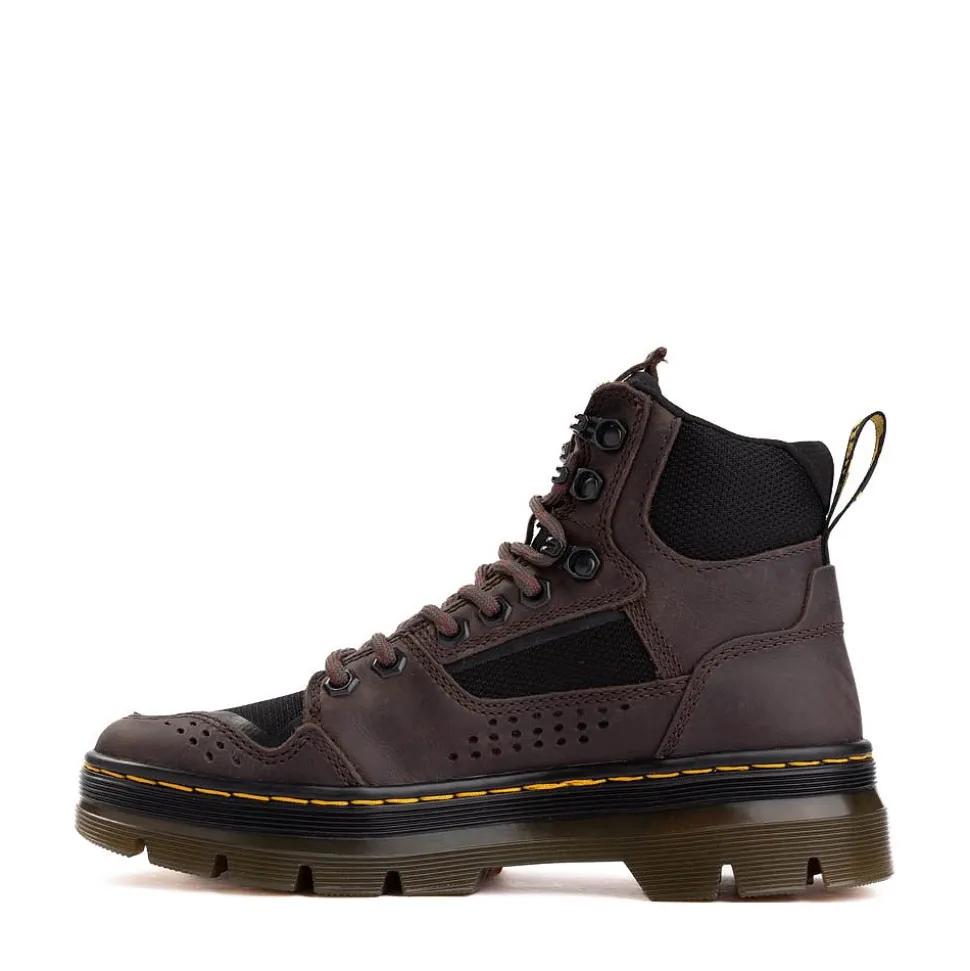
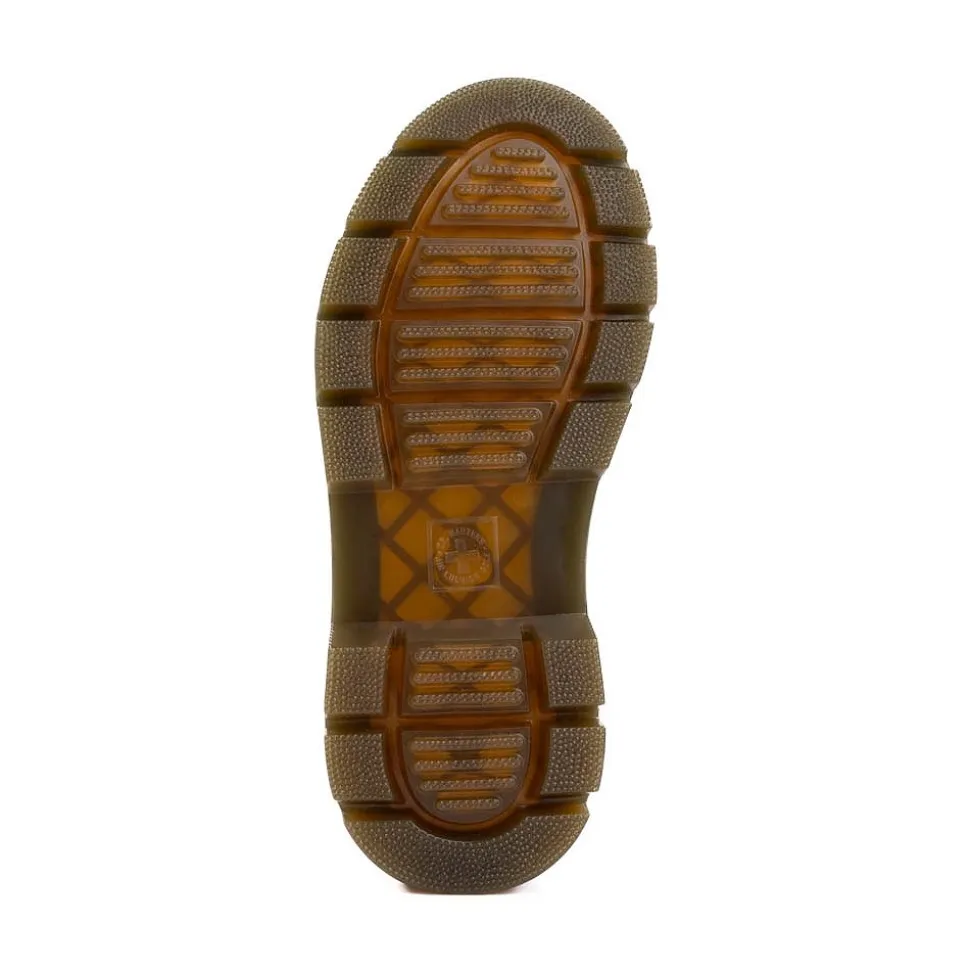
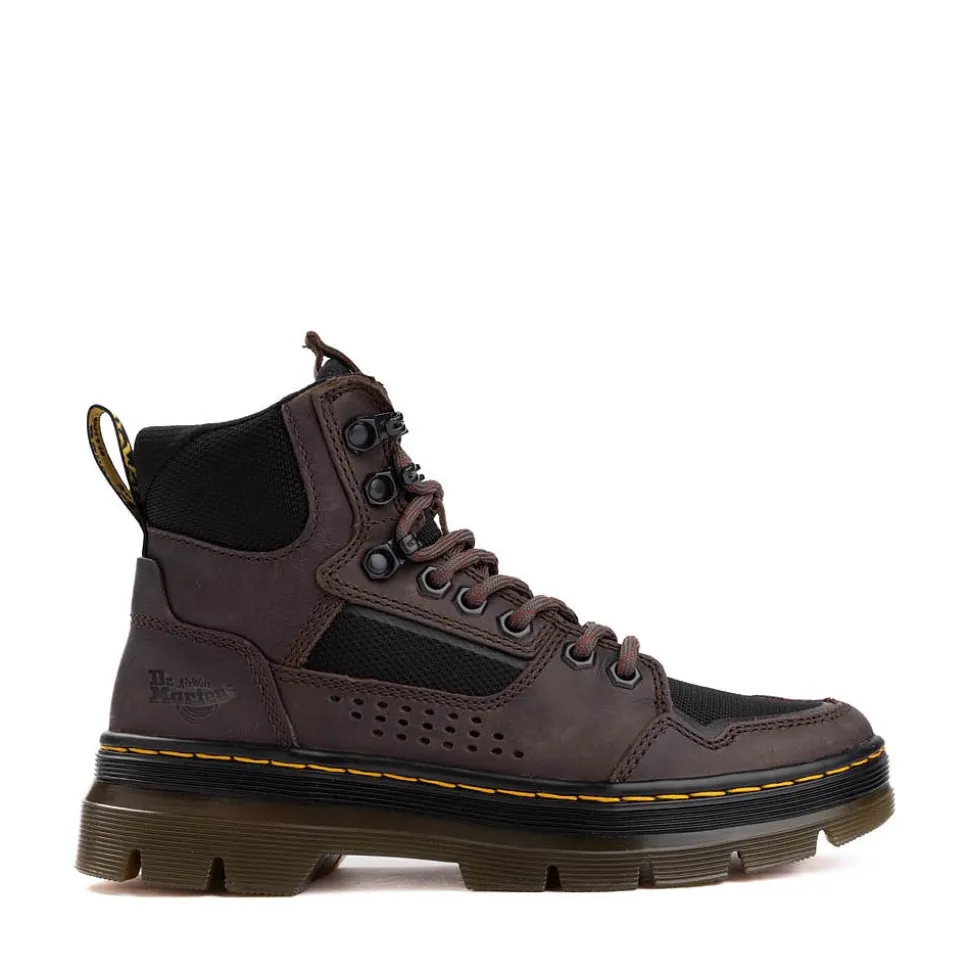
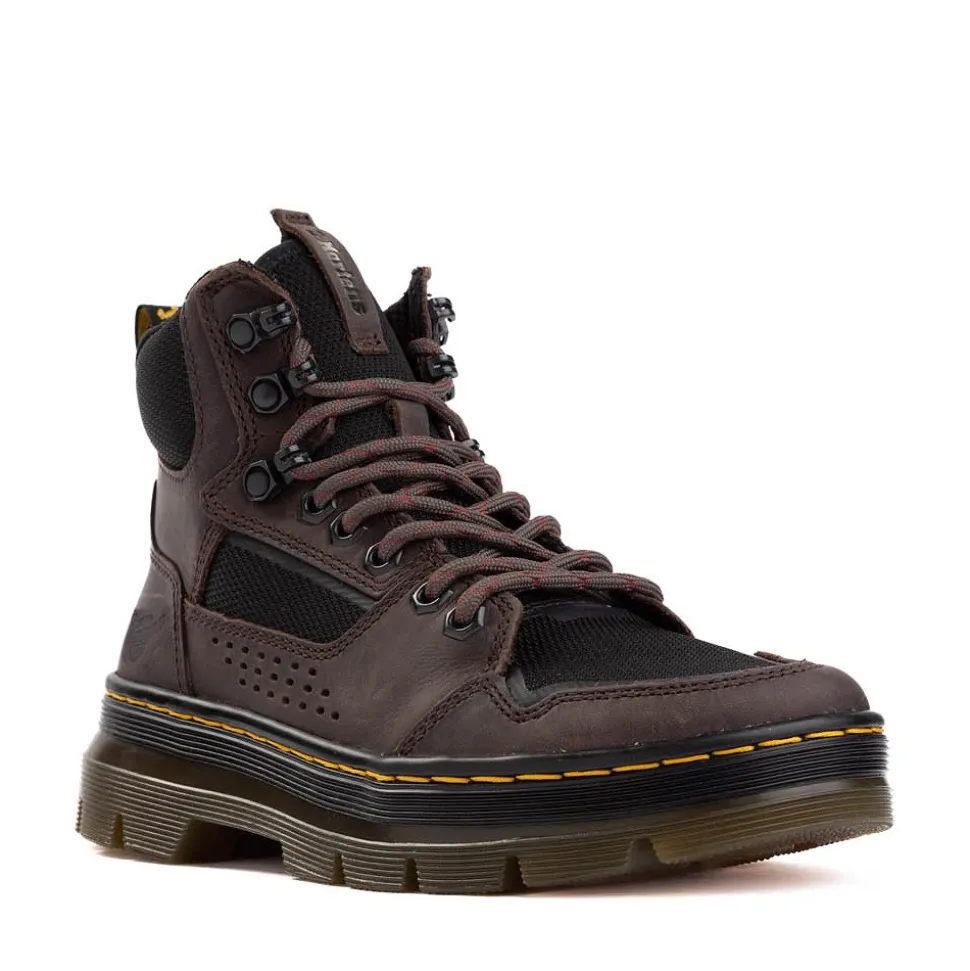
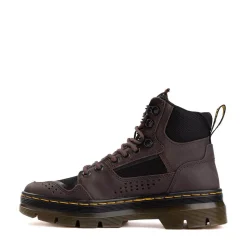
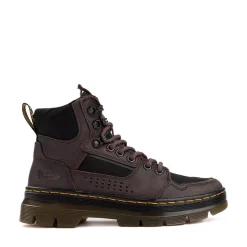
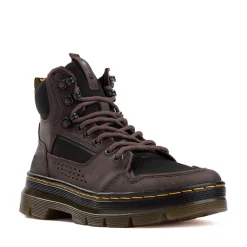
Dr. Martens Rilla Utility Boot – Brown / Black
$86.89
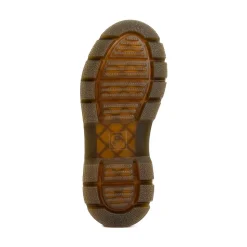
Get tough in style this season with the Rilla Utility Boot from Dr. Martens! The Rilla Utility Boot rocks a durable upper made with a mix of Ajax leather and textiles, lace closure with hiker hooks for a secure fit, and lightweight Tract outsoleswith cemented construction and deep tread for premium traction.Available at select stores and online at Journeys.com!
ORDER IN YOUR NORMAL U.S. SIZES
- Strudy combination upper made with Ajax PU-coated split leather, Micro Perf Neoprene, and Hub Ripstop
- Breathable textile lining with Spacer Mesh tongue
- Lace closure with hiker hooks offers a secure fit
- Classic heel pull loop
- Cushioned footbed ensures all-day comfort
- Cemented sole construction with signature yellow stitching
- Relaxed Tract outsole is tough and light, with pavement-ready durable cemented construction and deep indentations for improved traction
When the Dr. Martens boot first catapulted from a working-class essential to a countercultural icon back in the 1960s, the world was pre-internet, pre-MTV, pre-CD, pre-mp3s, pre-mobile phones窶But then an unlikely union of two kindred spirits in distinctly different countries ignited a phenomenon.
In Munich, Germany, Dr. Klaus Maertens had a garage full of inventions, including a shoe sole almost literally made of air; in Northampton, England, the Griggs family had a history of making quality footwear and their heads were full of ideas. They met, like a classic band audition, through an advert in the classified pages of a magazine. A marriage was born, an icon conceived of innovation and self-expression.
Together they took risks.
They jointly created a boot that defined comfort but was practical, hard-wearing and a design classic. At first, like some viral infection, the so-called 1460 stooped near to the ground, kept a low profile, a quiet revolution.But then something incredible started to happen.The postmen, factory workers and transport unions who had initially bought the boot by thethousand, were joined by rejects, outcasts and rebels from the fringes of society.
At first, it was the working-classes; before long it was the masses.
| Size | Mens 10/Womens 11, Mens 8/Womens 9 |
|---|
Be the first to review “Dr. Martens Rilla Utility Boot – Brown / Black”
Related products

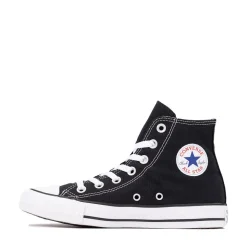
Athletic And Sneakers

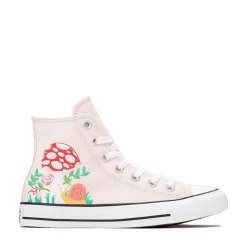
Athletic And Sneakers
Converse Chuck Taylor All Star Mushroom Garden High-Top Sneaker – Blush Hush

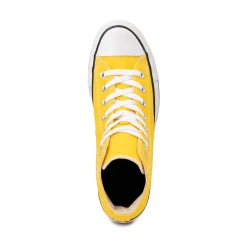

Athletic And Sneakers
Converse Chuck Taylor All Star High-Top Sneaker – Lemon Chrome
Athletic And Sneakers
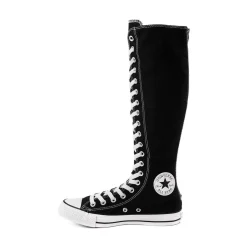
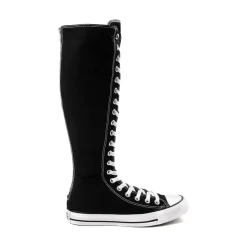
Converse Chuck Taylor All Star XX-Hi Sneaker – Black / White

Athletic And Sneakers
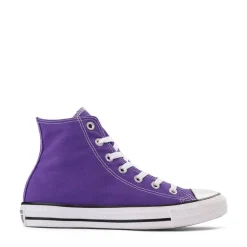
Converse Chuck Taylor All Star High-Top Sneaker – Electric Purple


Athletic And Sneakers
Accessories
Reviews
There are no reviews yet.